
Rain Gutter Installation For Controlled Roof Drainage
Gutter systems designed to guide water away from roofing edges, walls, and foundation areas.
Drainage Control
Managing Roof Runoff To Protect Surrounding Structures
Rain gutters play a key role in directing water away from the roofline and preventing it from collecting around the structure. Without proper drainage, water can run off roofing edges and impact siding, fascia boards, and foundation areas.
Gutter installation creates a controlled path for water to move from the roof to designated drainage points. This helps reduce erosion near the base of the building and limits the potential for water to enter vulnerable areas.
Systems are designed based on roof size, slope, and layout to ensure water flows efficiently during rain events. Downspout placement is also considered to direct water away from high traffic areas and structural components.
By managing how water leaves the roof, gutter systems contribute to the overall performance of the exterior structure.
System Design
Seamless Gutter Systems Built For Consistent Water Flow
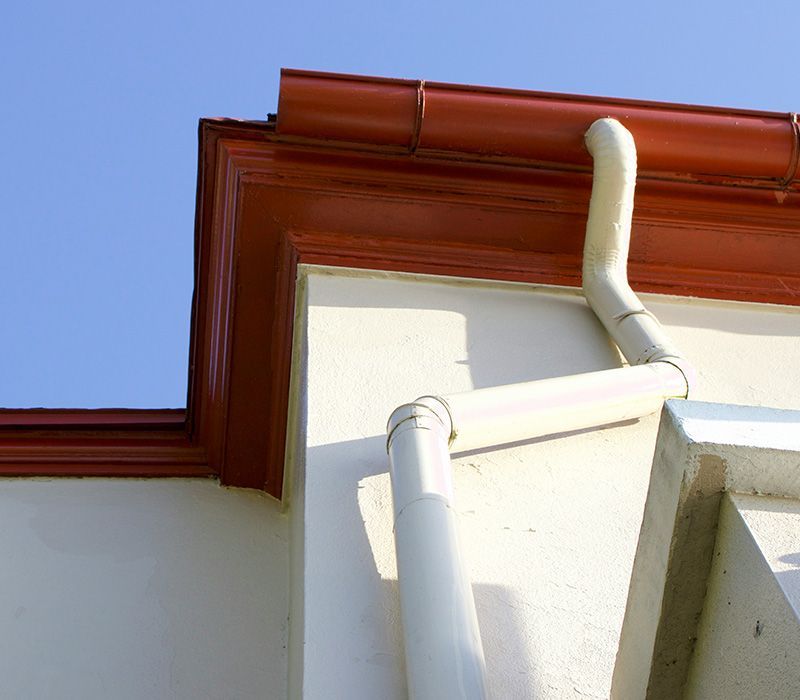
Seamless gutter systems are commonly used to reduce the number of joints where leaks can develop over time. These systems are fabricated to match the dimensions of the roofline, creating a continuous channel for water movement.
Material selection and sizing are based on the expected volume of water and the layout of the structure. Larger roof areas may require wider gutters or additional downspouts to handle runoff effectively.
Proper slope alignment is essential during installation to ensure water flows toward downspouts rather than collecting in sections of the gutter. Secure mounting also helps maintain system stability over time.
A well designed system supports consistent drainage without requiring frequent adjustments.
Integration
Connecting Gutters With Roofing And Structural Components
Gutter systems are installed along the roof edge and must align correctly with fascia boards and roofing materials. This connection point is important because it influences how water transitions from the roof surface into the gutter channel.
Improper alignment can cause water to bypass the gutter or collect behind it, which may lead to damage over time. Careful placement ensures that runoff enters the system as intended.
Downspouts are positioned to guide water away from the building and into appropriate drainage areas. Extensions or redirection may be used depending on the layout of the property.
Integrating the gutter system with the roof and surrounding structure helps maintain consistent water flow during varying weather conditions.
Maintenance
Maintaining Gutter Systems For Ongoing Performance
Over time, gutter systems can collect debris such as leaves, dirt, and roofing granules that may affect water flow. Routine maintenance helps prevent blockages that can cause overflow during rain.
Inspecting gutters periodically allows property owners to identify areas where buildup has occurred or where sections may need adjustment. Downspouts should also be checked to ensure water is moving freely through the system.
In some cases, guards or covers may be added to reduce debris accumulation, depending on the surrounding environment.
Keeping the system clear and properly aligned supports consistent drainage and reduces the likelihood of water-related issues around the structure.
FAQs
Rain Gutter Installation Questions
Why are gutters important for a roofing system?
Gutters direct water away from the roof and structure, helping prevent erosion, siding damage, and water buildup near the foundation.
What are seamless gutters and how are they different?
Seamless gutters are formed in continuous sections, reducing joints where leaks can occur and improving overall water flow performance.
How do I know if my property needs new gutters?
Signs include water spilling over edges, visible sagging, rust, or sections separating from the roofline.
Where should downspouts be placed?
Downspouts are positioned to direct water away from the building and toward areas that can safely handle drainage without causing pooling.
Do gutters require regular maintenance?
Yes. Gutters should be cleaned and inspected periodically to remove debris and ensure water flows properly through the system.

Verified Feedback