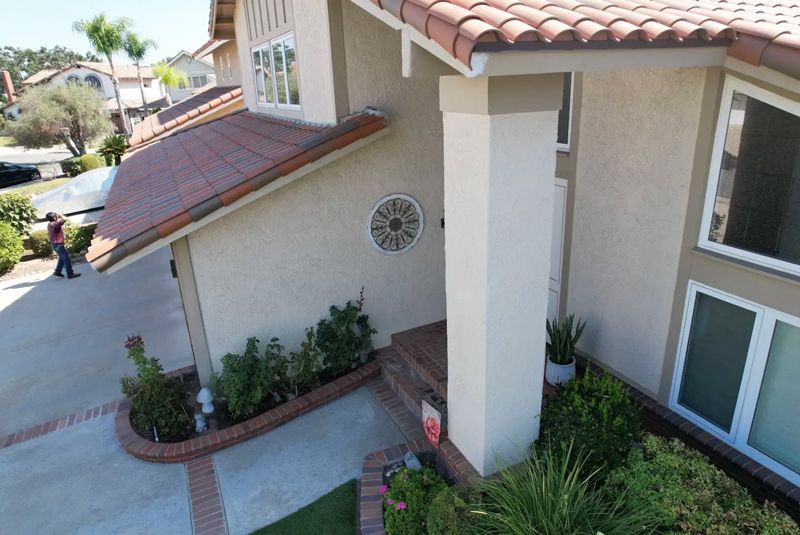

Full Roof Replacement For Aging Or Failing Roofing Systems
Replace worn roofing materials with a complete system designed to restore structure, performance, and reliability.
Replacement Overview
When A Roof Reaches The Point Where Repairs Are No Longer Enough
Over time, roofing systems experience gradual wear that can affect both surface materials and the layers beneath them. While repairs can resolve isolated issues, there comes a point when repeated fixes no longer address the overall condition of the roof.
Full roof replacement involves removing existing materials down to the structural base and rebuilding the system with updated components. This process allows underlying issues such as deteriorated decking, worn underlayment, or improper ventilation to be identified and corrected during installation.
Property owners typically consider replacement when roofing materials have reached the end of their usable life, when leaks appear in multiple areas, or when previous repairs no longer provide consistent results.
A complete replacement resets the roofing system, creating a more reliable structure designed to perform consistently across changing weather conditions and long term use.
Installation Process
Removing Old Materials And Rebuilding The Roofing System Properly
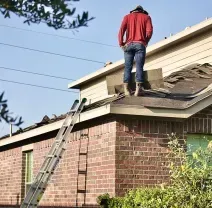
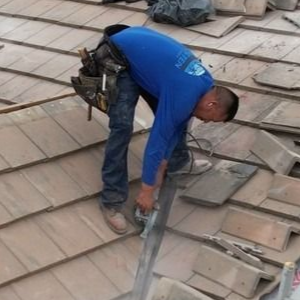
A full roof replacement begins with a tear-off process, where existing shingles, membranes, or tiles are removed to expose the roof deck. This step is essential for evaluating the structural base and identifying areas that may require repair before new materials are installed.
Once the surface is cleared, the decking is inspected for damage or weakness. Any compromised sections are addressed before new underlayment is applied. This layer plays a key role in moisture protection and helps create a consistent foundation for the finished roofing material.
Ventilation components are reviewed during installation to ensure proper airflow, which can impact the longevity of the roofing system. Flashing areas around penetrations and transitions are also rebuilt to reduce the risk of future leaks.
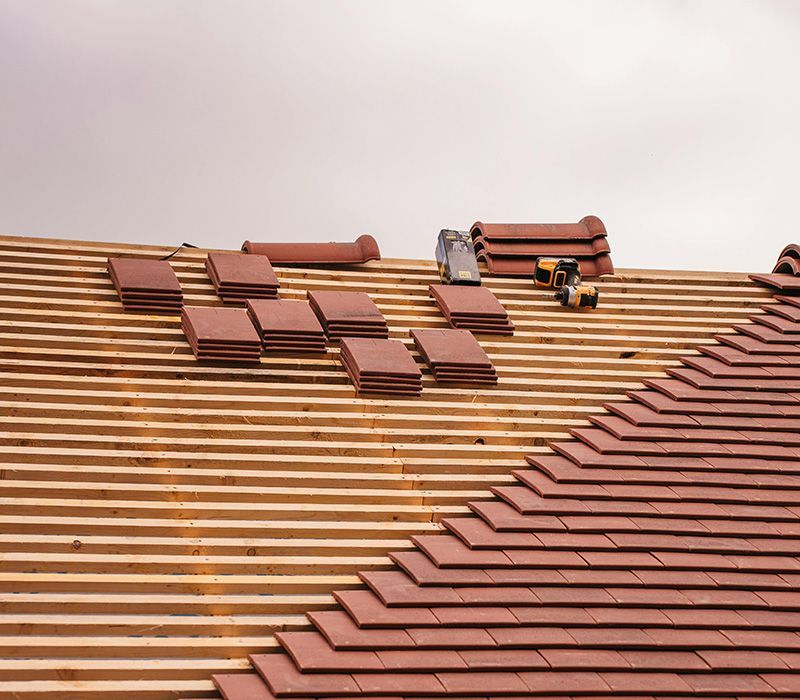
This step-by-step process ensures that the new roof is not simply layered over existing problems but built from the structure up.
Material Options
Choosing The Right Roofing System For The Property
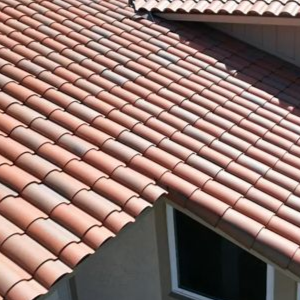
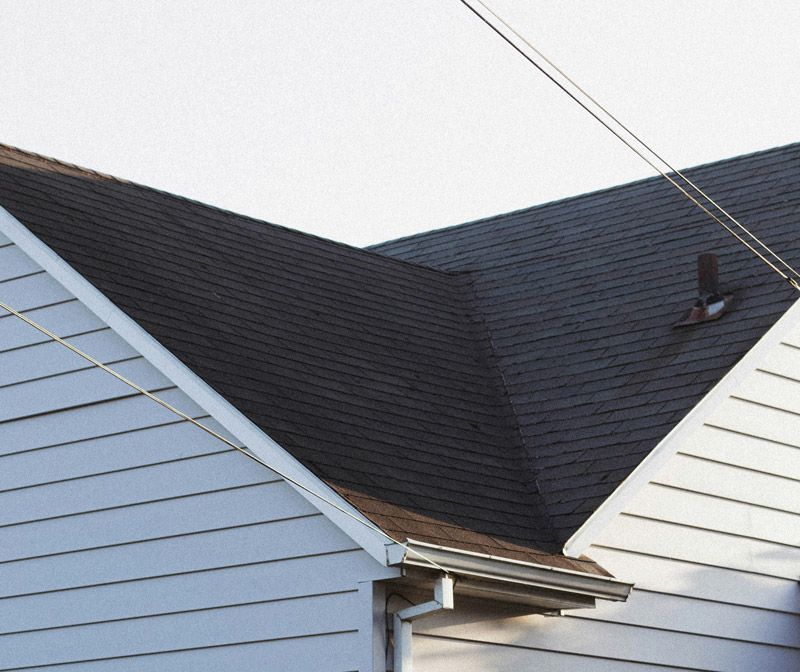
Roof replacement allows property owners to select materials that align with both functional needs and design preferences. Options may include asphalt shingles, composite materials, or flat roofing systems depending on the structure of the building.
Each material type offers different performance characteristics. Shingle systems are commonly used for residential properties, while flat roofing systems such as TPO or PVC are often selected for commercial or low slope structures.
In addition to surface materials, supporting components such as underlayment, flashing, and ventilation systems are chosen to complement the roofing system as a whole.
Selecting the right combination of materials helps create a roofing system that performs consistently while meeting the specific needs of the property.
Project Planning
Understanding Timeline, Scope, And What To Expect During Replacement
Roof replacement projects require coordination to ensure the process runs efficiently from start to finish. The timeline can vary depending on the size of the roof, the materials selected, and any structural repairs identified during tear-off.
During installation, sections of the roof are completed in phases to maintain protection as work progresses. Debris removal and site organization are handled throughout the project to keep the property manageable during construction.
Property owners are informed of each stage, including preparation, material delivery, installation, and final inspection. This structured approach allows the replacement process to move forward with fewer disruptions.
Understanding the scope and timeline helps property owners plan accordingly while ensuring the final result meets expectations.
FAQs
Roof Replacement Questions
How do I know when a full roof replacement is necessary?
Replacement is often recommended when roofing materials have reached the end of their lifespan, leaks occur in multiple areas, or previous repairs no longer resolve recurring issues.
How long does a full roof replacement usually take?
Most residential roof replacements take a few days to complete, depending on the size of the roof, weather conditions, and any structural repairs required.
Will my roof be exposed during the replacement process?
Work is typically completed in sections to reduce exposure. Protective measures are used to limit the risk of weather-related issues during installation.
Can I stay in my home during a roof replacement?
In most cases, homeowners can remain in the property during installation, although there may be noise and activity during working hours.
What happens if damage is found during tear-off?
If structural issues such as damaged decking are discovered, they are addressed before new materials are installed to ensure a stable foundation.
Verified Feedback